

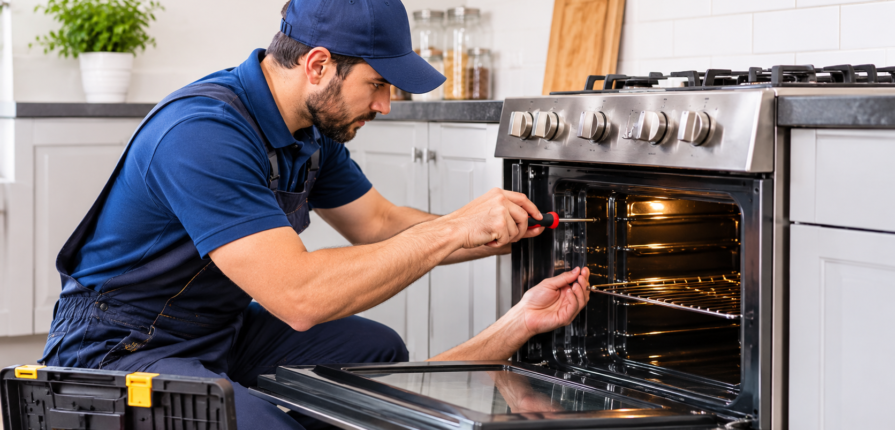
TA stove is one of the most used appliances in any kitchen. It helps you cook meals every day. However, even a small fault can turn cooking into a big problem. A burner may stop working, the heat may become weak, or the stove may make strange sounds. These signs may seem minor at first. However, they can lead to bigger issues if you ignore them. Timely Stove Repair helps keep your kitchen safe and your cooking routine on track.
Common Stove Problems That Should Not Be Ignored
There are a lot of problems that can occur with stoves. While some problems may affect only one burner, others can cause the whole stove to malfunction.
Here is a list of stove problems you should be aware of:
- Burner Not Working: The burner might not heat up because of a broken part or faulty connection.
- Uneven Heating: You may find that your food gets overheated on one side and stays cold on the other.
- Weak Gas Flame: If the gas flame is weak or uneven, there is probably something wrong with ignition or gas flow.
- Electric Burner Problems: The electric burner may stop heating because of a broken element or switch.
- Clicking Noise: A persistent clicking noise may indicate that something is wrong with the ignition system.
Do not ignore these symptoms. Early Stove Repair will save you from bigger problems.
Why Early Stove Repair Matters
Smaller faults on the stove can impact your lifestyle. Furthermore, neglecting such issues can result in more expensive repairs or even danger for you and your household members.
Here are some reasons why you need to repair an appliance in time:
More kitchen safety: An issue with a stove is a safety threat to your kitchen. For instance, an odor of gas is a sign of leakage. You need to cut off the supply of gas, evacuate the kitchen, and contact a gas service or emergency services outside the premises.
More comfort while cooking: An operational appliance allows saving time on cooking.
Saving money: A quick fix of a problem prevents further damage to other components.
Longer appliance lifespan: Regular servicing of an appliance will increase its lifespan.
What is more, professional Stove Repair can reveal the true cause of the issue rather than its symptoms.
Gas Stove Repair and Electric Stove Repair
Gas Stove Repair may be required if burners don’t light, flames burn unevenly, or ignition constantly clicks. The service technician will check the ignition system and other components. Alternatively, Electric Stove Repair may be required if burners don’t heat, temperature control is broken, or the appliance is tripping a circuit breaker.
In both situations, one should avoid working with electrical or gas parts of an appliance on his/her own. One should contact a professional appliance repair technician.
Simple Stove Maintenance Tips to Avoid Problems
Proper Stove Maintenance may prove to be helpful in reducing the occurrence of common problems. Here are some easy-to-follow tips:
- Cleaning the burners when cooled.
- Removing spilled food and grease.
- Keeping burner holes clean of dirt.
- Avoiding the placement of heavy objects on the stove.
- Checking for damage.
- Conducting professional checks when required.
It is always advisable to adhere to the maintenance guidelines provided by your stove manufacturer.
Final Thoughts
A minor issue with the stove can immediately interfere with your routine activities. But you don’t have to wait till the time when your appliance becomes dysfunctional altogether. Look out for these early signs and take help from professionals. We at Timely Stove Repair can assist you in getting your things back to normal.
Frequently Asked Questions
Common issues include burners that do not heat, weak gas flames, uneven cooking, faulty ignition, and broken temperature controls.
Call a technician when your stove stops heating, makes unusual sounds, shows signs of electrical damage, or has a burner that will not work.
It depends on the stove’s age, condition, repair cost, and type of fault. A technician can inspect the appliance and suggest the best option.
A burner may stop working because of a faulty heating element, ignition issue, damaged switch, or other internal fault.
Clean your stove regularly, remove food spills, follow the manufacturer’s care instructions, and arrange repairs when you notice early warning signs.
